
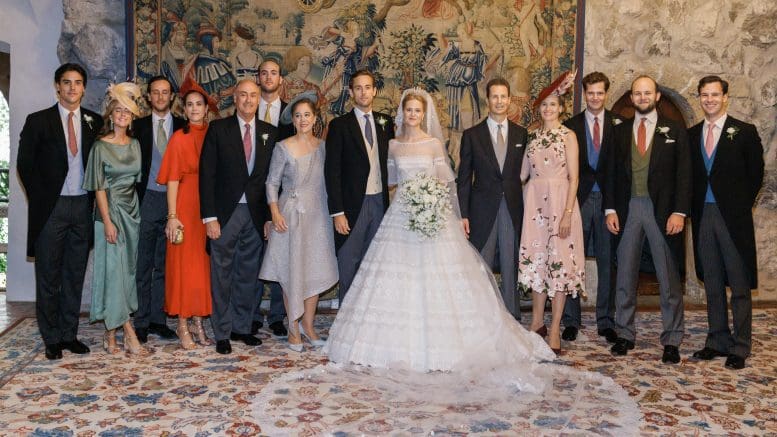
The Principality of Liechtenstein has changed its House Law to allow women to succeed to the throne.
The Principality of Liechtenstein previously arranged its succession according to male primogeniture, meaning that women could not succeed to the throne. In 2004, Prince Hans-Adam II publicly responded to criticism from a UN committee, which had voiced its concerns about the exclusion of women, and said that the rule was older than the state itself.
It will now use absolute primogeniture, which means that the eldest child, regardless of gender, will succeed to the throne.
“With this amendment to the law, we want to ensure that both the Principality of Liechtenstein and the Princely House are governed by the person best prepared for this task. These are essentially the sons and daughters of the reigning monarch, who grow up in Vaduz and are familiarised from their youth with the special characteristics of the Principality and the Princely House”, stated Alois, the Hereditary Prince of Liechtenstein.
The amendment proposal was adopted with the required two-thirds majority of all voting members.
The law does not change the immediate successor. Prince Alois remains first in the line of succession, followed by his eldest child, Prince Joseph Wenzel.




Be the first to comment on "Liechtenstein to allow women to succeed to the throne"